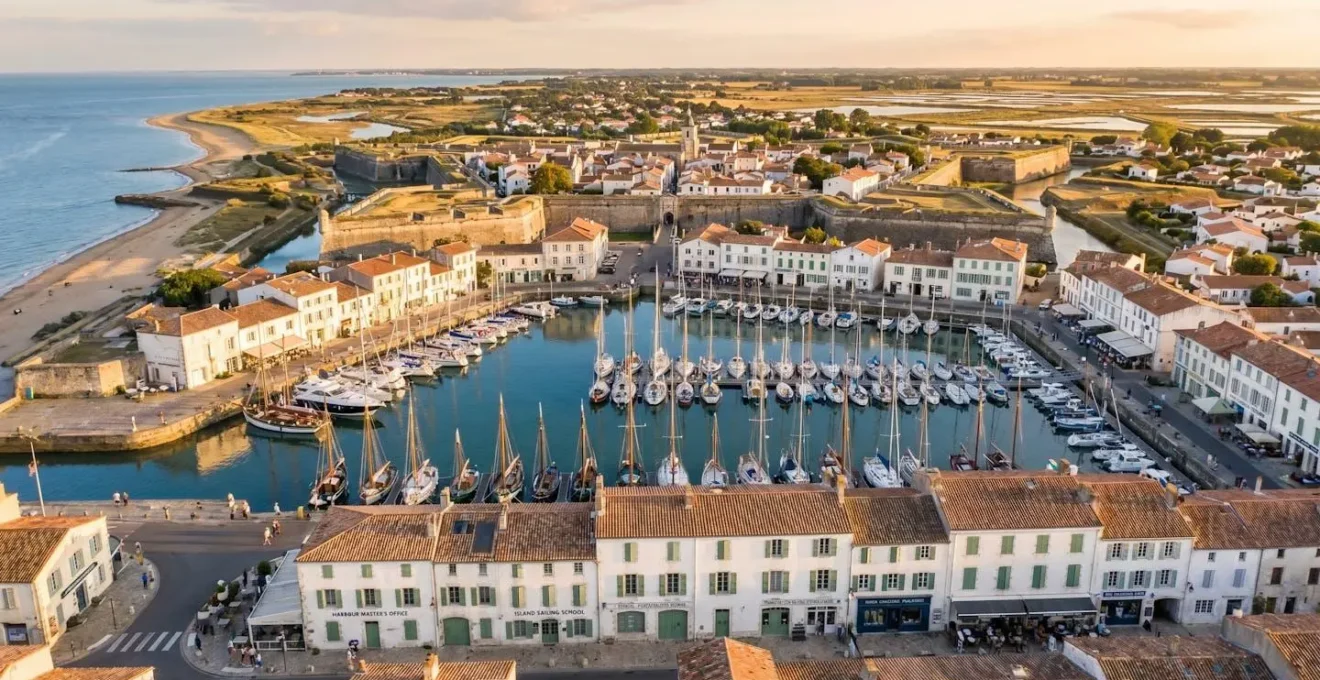
Île de Ré reveals itself slowly to those who resist the urge to tick boxes. Beyond the predictable beach resort narrative lies a working island where seventeenth-century military architecture frames daily fish markets, where salt harvesters still flood ancient marshes according to tidal rhythms, and where the bicycle remains the most revealing lens through which to understand this slender Atlantic outpost.
The island’s most underrated attraction remains the infrastructure itself. Those star-shaped fortifications surrounding Saint-Martin’s harbour weren’t designed for Instagram backdrops but to defend France’s Atlantic trade routes under Louis XIV. The cycling network evolved from agricultural tracks linking oyster farms and salt production sites. Understanding this working foundation transforms casual sightseeing into genuine cultural immersion.
Seasonal patterns reveal distinct calendars. High summer brings crowds chasing beach access, whilst spring and autumn restore the island to residents and discerning visitors who recognise that Ré’s essence emerges most clearly when July traffic subsides. The authentic experience emerges in shoulder months, when village markets cater to locals and cycling routes through the Fier d’Ars nature reserve offer unobstructed views of migrating birds across tidal flats.
Your island discovery priorities in 4 points
- Saint-Martin-de-Ré’s UNESCO-listed fortifications anchor the island’s seventeenth-century heritage, best explored during the Wednesday morning market when local producers occupy the stone-paved squares
- The 138-kilometre cycling network connects ten distinct villages, each offering specific architectural character rather than generic coastal charm
- Salt marsh ecosystems and the Phare des Baleines lighthouse deliver landscapes shaped by working traditions, accessible through guided ecology tours and panoramic climbs
- Strategic villa positioning in villages like Sainte-Marie-de-Ré or Les Portes-en-Ré unlocks authentic daily rhythms impossible for day-trippers crossing the bridge from La Rochelle
Where Atlantic heritage meets island tranquility
Île de Ré stretches thirty kilometres along France’s Charente-Maritime coast, connected to La Rochelle by a bridge that both enables and threatens the island’s fragile character. The ten villages share whitewashed walls and painted shutters, yet each developed distinct identities shaped by prevailing winds, tidal harbours, and historical trade routes. The UNESCO World Heritage designation recognises Saint-Martin-de-Ré’s fortifications as exceptional examples of seventeenth-century military engineering, part of the twelve Vauban sites protecting French borders.
The island’s geography divides naturally between the western tip around the Phare des Baleines, facing open Atlantic conditions, and the eastern approaches near Rivedoux-Plage offering sheltered beaches. Between these poles lie the working landscapes that define authentic island life: salt marsh complexes where traditional harvesting continues, oyster farming concessions visible at low tide, and vine-growing parcels producing the island’s modest wine output.
The cycling infrastructure deserves particular attention as the island’s defining characteristic. Flat terrain and the comprehensive network enable genuine car-free exploration at human scale. Recent visitor patterns reveal increasing recognition of this advantage, with bicycle rental bookings extending beyond summer peak weeks into spring and autumn periods when routes offer optimal conditions.
To truly immerse yourself in this unique environment, choosing the right accommodation is essential for an authentic experience. Finding a suitable villa for rent on Île de Ré provides the perfect base to explore the island’s cycling paths, picturesque villages and local markets at your own pace. This type of stay allows travelers to enjoy a more personal connection with the destination, experience the island’s unique atmosphere and discover its authentic character beyond traditional day-trip tourism.
Fortified harbours and white-shuttered villages worth the detour
The ten villages resist generic categorisation. Saint-Martin-de-Ré functions as the administrative capital, its star-shaped fortifications enclosing a working harbour where fishing boats still unload daily catches. The Wednesday market occupies the Place de la République, drawing producers from across the island. La Flotte distinguishes itself through its medieval harbour and rose garden cultivating historic varieties. Ars-en-Ré’s black-and-white church tower serves as a navigational landmark, whilst the village maintains the highest concentration of traditional artisan workshops producing ceramics and textiles using regional techniques.
| Village | Distinctive feature | Practical advantage |
|---|---|---|
| Saint-Martin-de-Ré | UNESCO fortifications, Wednesday market, working harbour | Widest service infrastructure, year-round amenities |
| La Flotte | Medieval harbour architecture, rose garden | Sheltered position, accessible beaches |
| Ars-en-Ré | Black-white church tower, artisan workshops, salt marsh access | Gateway to Fier d’Ars nature reserve |
| Les Portes-en-Ré | Lighthouse proximity, Atlantic wave exposure | Optimal for western sunset views, active water conditions |
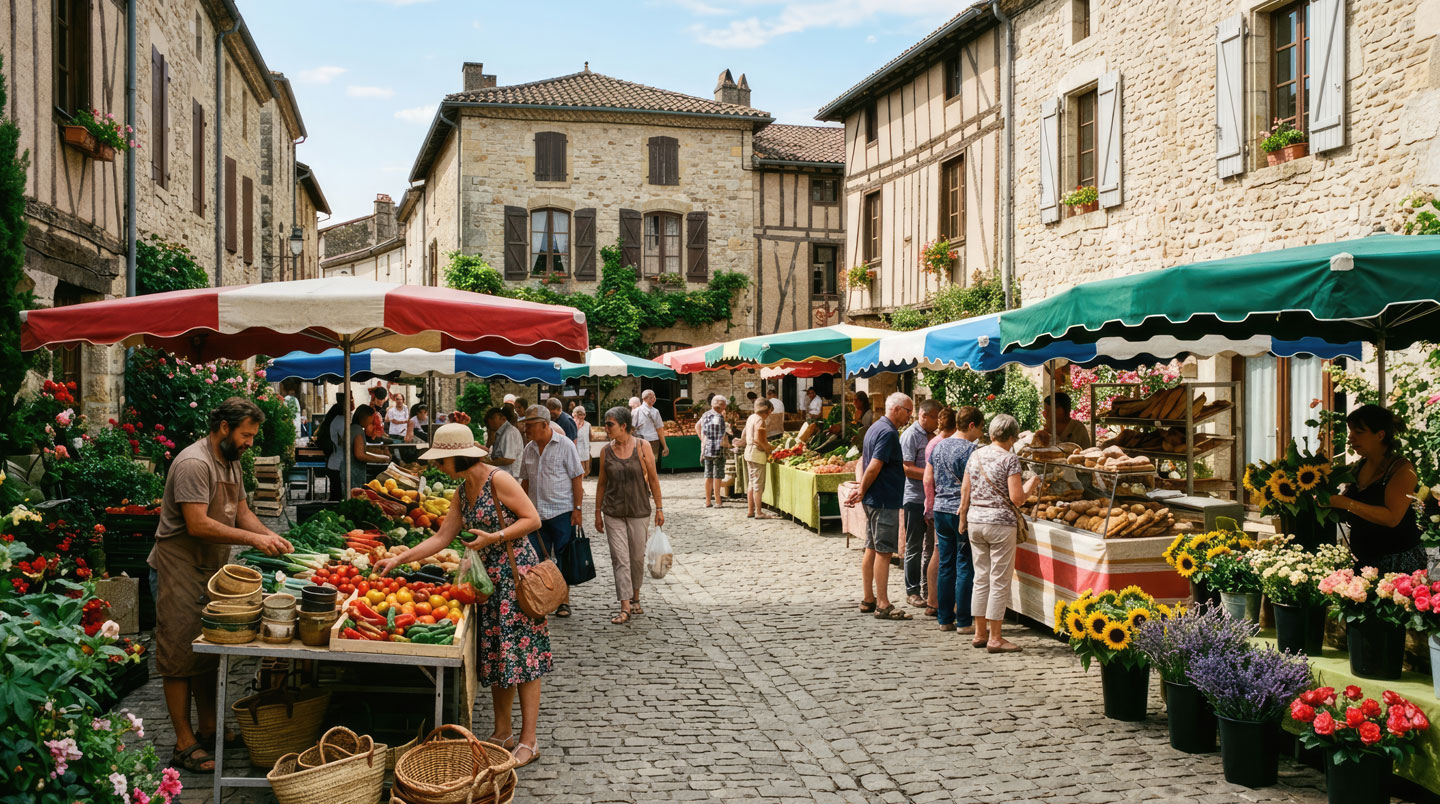
Village selection depends on exploration priorities. Those prioritising cultural heritage will anchor in Saint-Martin to access the fortifications and weekly markets. Families seeking beach proximity favour Rivedoux-Plage or Le Bois-Plage-en-Ré on the eastern shore.
Dunes, salt marshes and lighthouse panoramas beyond the beaches
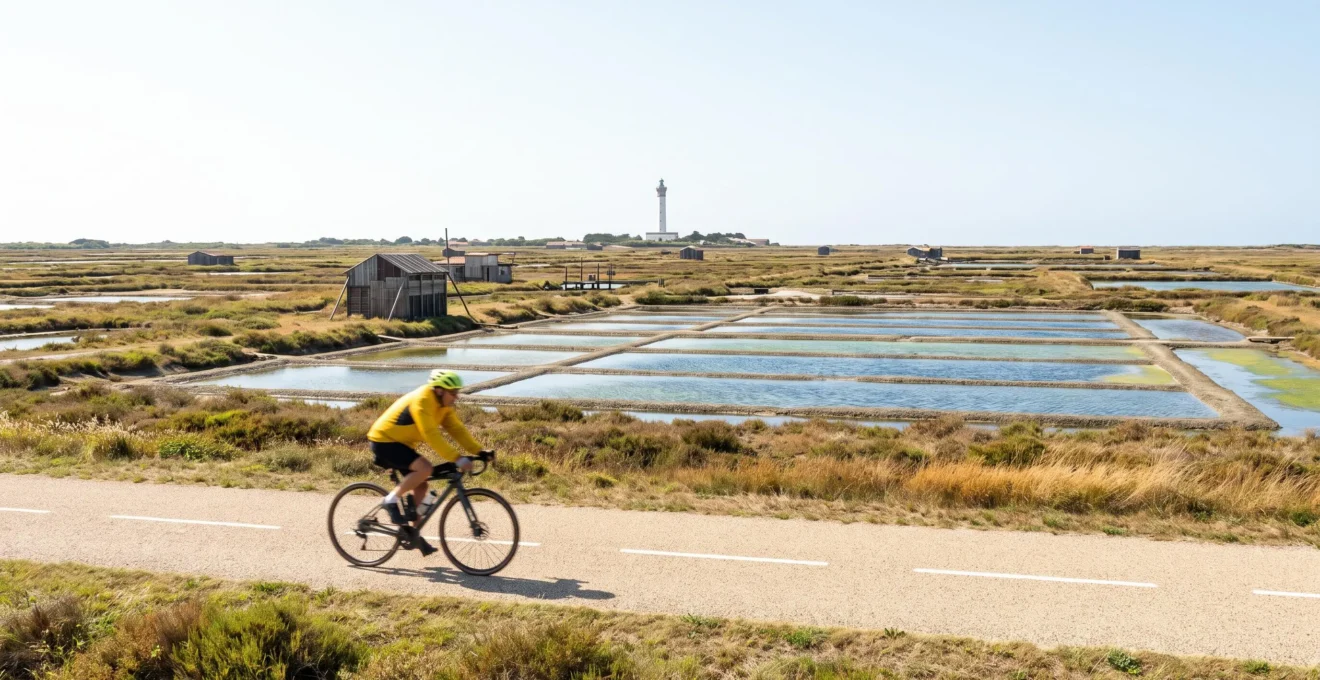
The island’s natural character emerges most distinctly in the working landscapes between villages. The official 138–kilometre cycling network managed by the Communauté de Communes connects these productive zones through marked routes prioritising environmental protection. The Fier d’Ars nature reserve protects critical wetland habitat for migrating waders, accessible via dedicated paths. Traditional salt marsh complexes continue operating using seventeenth-century techniques, their geometric basins visible from elevated cycling routes between Ars-en-Ré and Les Portes-en-Ré. Several operations offer guided tours explaining the evaporation process and economic challenges of maintaining traditional production.
The Phare des Baleines lighthouse commands the island’s western extremity, climbing the lighthouse tower rewards visitors with panoramic views extending to the Vendée coast on clear days. The surrounding dune systems require boardwalk access to prevent erosion, demonstrating the fragile balance between tourism and conservation. These western reaches face full Atlantic exposure, delivering wave action and wind conditions distinct from sheltered eastern beaches.
-
Assess your fitness reality honestly
The island terrain remains flat, yet coastal winds significantly affect cycling effort. Plan morning outbound legs against typical south-westerly winds, returning with assistance in afternoon.
-
Align routes with tidal schedules
Salt marsh paths and certain coastal sections close at high tide. Obtain tidal schedules from your villa rental office, planning routes to coincide with optimal tidal windows.
-
Prioritise dedicated cycle paths
The 138-kilometre network includes purpose-built separated paths and shared roadway sections. Route quality varies significantly. Rental agencies provide detailed network maps distinguishing path types.
-
Build in extended stops at working sites
Cycling enables spontaneous discoveries impossible from vehicles. Budget time for unplanned detours to observe salt harvesting or investigate artisan workshops.
-
Secure quality rental equipment in advance
Multi-day exploration demands reliable gearing and comfortable saddles. Book directly with established operators rather than accepting convenience rentals. Confirm child seat availability for family configurations.
The visitors who derive greatest satisfaction from Ré’s natural sites are those who recognise they’re observing working landscapes rather than preserved museums. The salt marshes function economically, the oyster farms operate commercially, and the cycling network serves commuters alongside tourists. This layered functionality delivers authenticity that passive observation cannot replicate.
Dr. Amélie Bertrand, Sustainable Coastal Tourism Researcher, University of La Rochelle
Practical insights for an effortless island discovery
Timing your visit according to actual island rhythms rather than school holiday constraints transforms the experience fundamentally. Recent seasonal analysis reveals that July and August accommodation occupancy increased by 3.8% and 2.1% respectively, confirming persistent high-summer demand that saturates village centres and cycling routes. May, June, and September offer dramatically different conditions: visitor density drops sufficiently to restore authentic atmosphere, market vendors adjust offerings according to seasonal produce cycles, and cycling routes revert to serving island residents.
Access centres on the bridge connection to La Rochelle, itself served by regional airports and TGV rail links. Vehicle access proves essential for transporting luggage to your villa initially, yet once established, the cycling network largely eliminates daily driving requirements. This car-free operational mode reduces both costs and environmental impact whilst aligning with island conservation priorities. Budget planning should account for bicycle rental costs across extended stays, recognising that multi-day rates offer significant savings and that investing in quality equipment prevents mechanical frustrations.
Consider the case of the Martinez family who planned their April visit around tidal and market schedules. They consulted tide tables before arrival, booking a villa in Sainte-Marie-de-Ré positioned centrally for cycling access. On their first morning, they timed their departure to reach the Fier d’Ars salt marshes at low tide, observing salt harvesting techniques before cycling to Saint-Martin for the Wednesday market. This strategic timing delivered authentic encounters with island traditions whilst avoiding the crowds that would dominate identical sites during July. Their investment in quality bicycle rentals booked two weeks ahead ensured comfortable multi-day exploration without mechanical issues that plague last-minute equipment choices.
-
Confirm village market schedules for your intended dates, as these determine optimal timing for fresh produce access and authentic local atmosphere observation
-
Reserve quality bicycle equipment directly with established rental operators minimum two weeks ahead for high season, confirming specific models rather than accepting generic availability promises
-
Obtain detailed tidal schedules covering your full stay period, enabling route planning that aligns cycling explorations with optimal coastal access windows
-
Verify Phare des Baleines lighthouse climbing hours and any seasonal closure periods that might affect your planned western exploration days
-
Research salt marsh tour operators and oyster farm visit options in advance, as these working site experiences require advance booking and operate on restricted schedules aligned with production cycles
The island rewards extended stays that permit gradual discovery over rushed itineraries. Villa rental enables this patient approach, providing the domestic base from which daily explorations radiate according to weather and spontaneous interests. The island’s modest scale means no destination lies beyond comfortable cycling range from any village base, yet its layered complexity demands time to appreciate the working landscapes, observe tidal rhythms, and recognise the seasonal variations that distinguish authentic island life from generic resort experiences.